
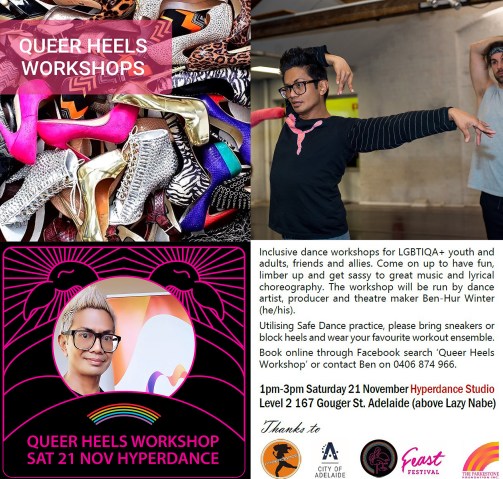
Queer Heels Workshops
 and for extra sassyness when you hit the dancefloor this summer.
Pending Projects
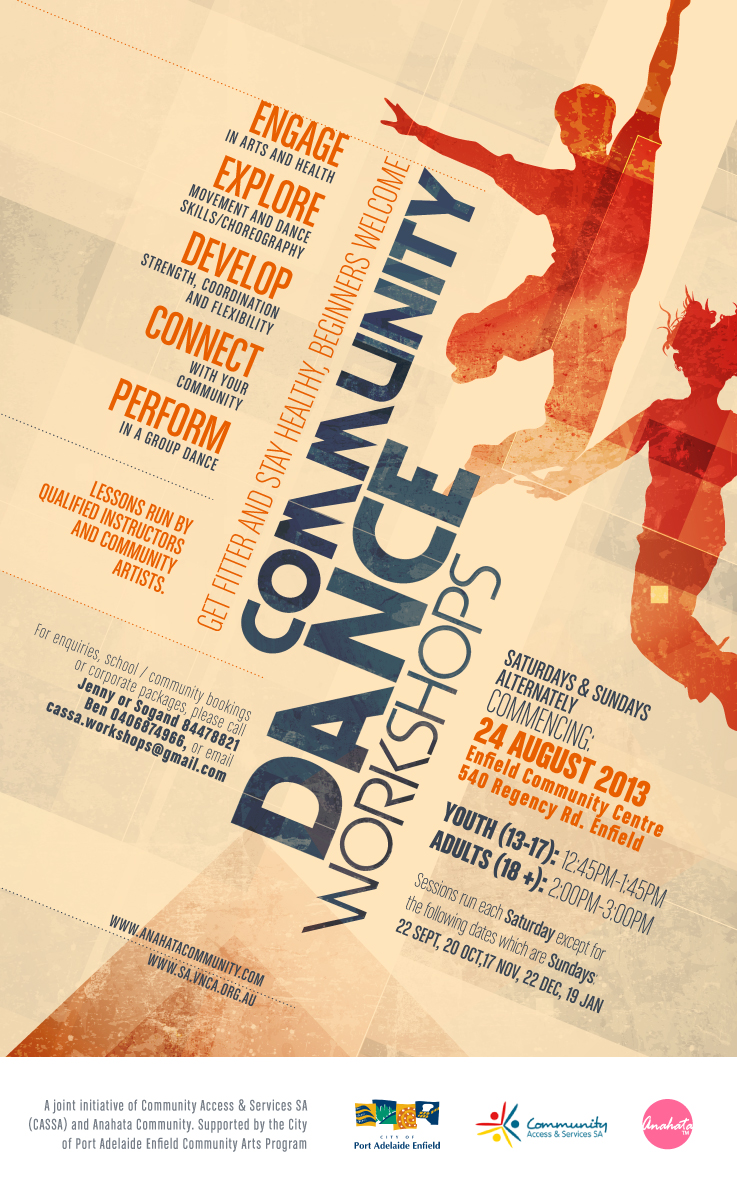
Community Dance Workshops
An Australian Curriculum focused schools arts education initiative for Dance.

Focus Points
• To inspire students with a new, exciting and fun arts education program.
• Introduce the cultural aspects of the arts through dance including where and why people dance.
• Share thoughts on migration; locate SE Asia on a map and focus country, the Philippines.
• Construct and perform simple dance sequences
• Present ways of learning collaboratively, work in pairs and individually.
Goals / Outcomes
• Contribute to practical ways of learning through diverse art forms.
• Develop fundamental movement skills, technical and expressive skills.
• Incite curiosity about the dance style and the elements of dance.
• Encourage students’ critical and creative thinking.
• Foster student interest in art appreciation and the relationship between artist, audience and artwork/artforms
• Delivery of an exciting, meritable and sustainable learning program.
Community Wellness Studio
This proposed program will offer adults of all ages (FREE) Beginners Yoga and Pilates sessions to encourage SA Filipino-Australian community members and their friends to participate in volunteer opportunities. This will support healthy lifestyles and positive social practices that inspire people to work together to strengthen communities. Attendance once a month for a proposed 12 months will provide an opportunity for the more vulnerable, people with special needs and others that may feel disadvantaged or marginalised (eg. CALD, older Filipino-Australians and their friends), to meet and commune.
Adhocracy 2017 | 1-3 September 2017 | Vitalstitistix
Reflection: Border Crossers presented by Valerie Berry and Ben-Hur Winter. Now in its eighth year, the iconic experimental art lab ‘Adhocracy’ was held at the Waterside Worker’s Hall Port Adelaide, presented and hosted by the heritage listed building’s custodians, Vitalstatistix. This year I had the opportunity to collaborate with fellow Filipino-Aussie innovator artiste Valerie Berry, a seasoned stage actor, fervent theatre maker and family friend from Sydney. After several productive coffee meetings, gruelling email conversations and preliminary planning catch-ups we launched into a project entitled ‘Border Crossers’ which she aptly imparted was aimed at developing hybrid personas utilising the tools of physical theatre, movement, choreography and elements of performance art. Aligning with Adhocracy’s mantra of ‘supporting the creative development of new experimental and multidisciplinary arts projects’ Valerie and I, over the course of the 4 day (high) art making intensive, got to revisit, ponder and build upon previous work while investigating ideas surrounding culture, heritage, character development, performance studies and queer sub-culture. We arrived at the venue on a gorgeous first day of spring and retreated to our allocated areas in an open studio affair of sorts. Each of the nine presenters worked on-site and within neighbouring spaces in historic Port Adelaide. This included a squash court and a gallery space called Fontanelle.
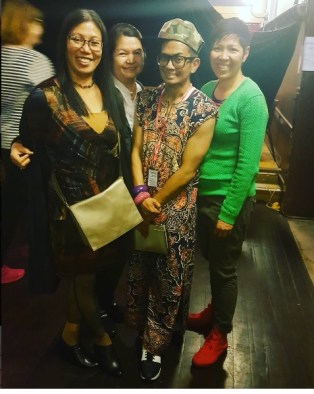
With a fetishistic, museum artifact type approach (metaphorically and aesthetically), both Valerie and I began putting together our individual movement scores. These sequences of bodily postures can be broken down into a series of phrases to evoke a feeling, mood, or a somewhat personalised narrative -Valerie proposing questions on ethnic roots, religious symbolism, gender, sexual orientation and stereotyping, as I endeavoured to try and examine my own views and understanding of these, mindfully respectful of socio-historic and geo-political influences (boundaries) like our pre-Hispanic foundations, tribal aesthetics, the idea of village life and how these might be viewed through a more aristocratic lens.
The following three days were a mix of me adjusting to the spatial dynamics of an awesome mob of artists from around Australia at work side by side, together with showings and artist talks from 4pm until 10pm daily. Working in an enclosed environment confined even more by means of scaffolding, curtains, big old doors and other physical limitations meant maintaining a business like demeanour at all times reminiscent of up-market arts incubation models, co-working spaces or the like. By the time of our first showing on Friday night we had a rough sketch of what we were going to share. So with a deep breath as the music started in front of a captivating and intimate crowd of around 40, and with a projection of a work by Cubist painter Vicente Manansala in the background, we commenced the first of two public showings.
Our sessions ended up comprising of two scenes where we endeavoured to share abstract and rhythmic musical compositions of contemporary kulintang (a type of gong) together with the performative material we had in mind. The duo format modality we chose to try out depicted figures positioned side by side in the space (main stage) adorned in a combination of patriotic traditional dress (Barong Tagalog), a faux weave ensemble with modern interpretation of a traditional sash (Sablay), a black floor length chiffon veil, found objects, symbolic props and concepts borrowed from BDSM culture. This alongside enigmatic identity shielding head gear which we eventually removed, not unlike a ‘reveal’ as it may be referred to in some circles, at once strong and dynamic, tinged with boldess while maintaining a sense of restraint.
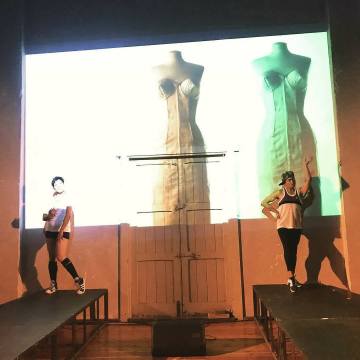
After re-assembling the stage, the second part began like a homage to the phenomenon of high fashion with the ‘collaborator-facilitators’ exploring different aspects of their persona characters. This is where we introduced what I refer to as ‘sensibilite’, as a conduit for investigating the idea of dualistic sensibilities (eg: light/shade, then/now, girl/boy, subject/object). Instrumentally, with individual runways, or ‘catwalks’ as an apparatus and unassuming stagecraft/set design techniques, our personas morphed into athletic training mode while channelling a sartorial theme. Symbolic of the many walks of life then we ‘walked the body’ in our own versions of imaginary girl and boy characters in playful, non-verbal and at times idiosyncratic exploration of gender and sterotypes. If at best deeply personal, it was like deconstructing (and re-constructing) the sexy swagger and brawn of the male fashion model vis-a-vis the austere glide of their female supermodel other. This then broke into an unexpected display of reverential gestures inspired by SE Asian martial art forms. Attributed to the underground ballroom scene that originated in New York City, the piece then moved closer to the audience for an unarmed vogue-battle-style sparring match mixing martial arts moves and catwalk gestures, runway choreography, jousting and dance.
Boundaries and borders command respectful consideration to avoid folly and its inevitable repercussions. A subtle objective perhaps worth mentioning here.

To pause momentarily towards the end of this section, our personas segued into audience territory once again passing through an improvised martial arts/voguing finale to finish sculpture-like in tableaux, heart rates exalted with a spirit of adventure.
On the whole the other showings that I got to were everything from quirky and fun to empowering and enriching while, through impeccable screening by the selection panel, also all exceptional. With enthusiasm and the bravura conscientious of the perils of adversity, I felt Adhocracy enabled invaluable learning while putting into practice cherished methodologies as part of a hothouse of diverse Australian theatre makers.
OzAsia Festival | 21 September-8 October 2017

It’s definitely an exciting time of year in Adelaide during the OzAsia Festival presented each year by the Adelaide Festival Centre. 2017 was no exception with a VIP Receptions for feature countries including the Philippines which brought together community members, leaders and Festival folk including Artistic Director Joseph Mitchell whose stewardship is bringing major investment to the Culture and the Arts sector through OzAsia Festival, major sponsors and the Department of State Development as guest dignitaries mingled with South Australian arts patrons enjoying hors d’oeuvres and wines from O’Leary Walker.
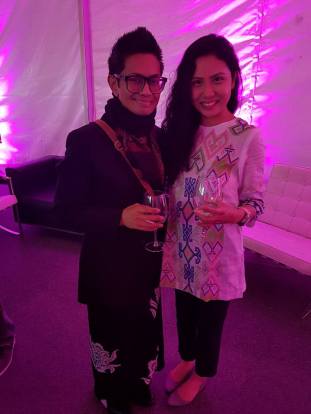
I attended the second performance of two shows by Filipina artist, choreographer and performer Eisa Jocson on Friday 22 December with family friend Juan Paolo and his partner Christina. Re-contextualising the after dark world of the Filipino male erotic dancer, the piece was called ‘Macho Dancer’ and with seemless originality her solo work eloquently challenged notions of gender and sexuality while adding her own resolute femininity to an artistic livelihood that has traditionally been male dominated.
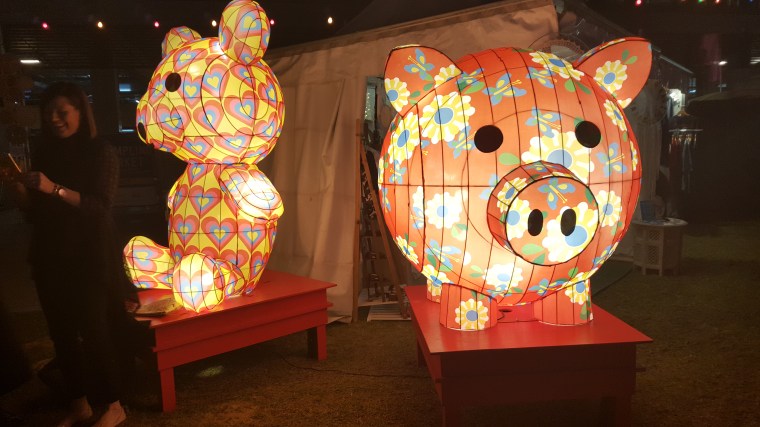
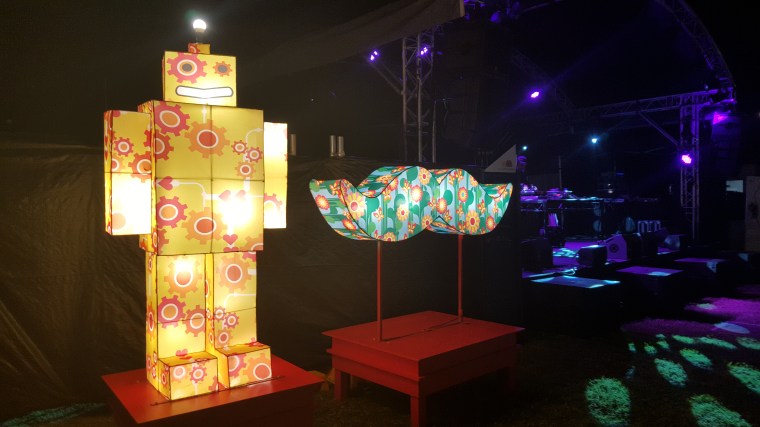
The Lucky Dumpling Market was definitely a Festival Hotspot open every night for delicious Asian food plus awesome local and international performers. The world-class artisans on stage , along with the best larger than life light up lanterns and characters added to the night market ambience and other worldly experience.
LDM Performance snippet by Image Construction: https://youtu.be/lmzu0n0BR1A
Other highlights were ‘After Utopia’ presented by Open State, Samstag Museum and OzAsia Festival featuring Bomba (2011) an installation by Filipino artist Kawayan De Guia comprising of 18 life-size mirrored bombs; Shifting Impermanence exhibit at Artspace Gallery; jamming with Manila based singer songwriter Enrique De Dios and attending the screening of award winning director Brillante Mendoza’s film Ma’Rosa at the Mercury Cinema with Adelaide socialite Juanita Portmanand artist/journalist Norma Hennesey. The film was the winner for Best Actress Jaclyn Jose at the Cannes Film Festival 2016 and was also the Filipino entry for Best Foreign Language Film at the 89th Academy Awards.
Ma’ Rosa Trailer: https://www.youtube.com/watch?v=Wyd31XIB6yM
Adelaide Feast Festival
‘Sous Terre’ @sousterreadelaide (2014-2016) which is French for underground, premiered at the highly esteemed Adelaide Feast Festival (2016) as a one-off dance-theatre piece drawing from classical ballet, Philippine ethnic dance, breaking and vogueing. With the multi-award winning Felicity Arts, the work explored contemporary themes through new media and live Vjing. Cultural diversity, youth empowerment, anti-bullying and innovative technology were some of the messages offered in the piece as the characters danced, leaped, flipped and whirled on stage while interacting with real-time projections, live visuals and a driving soundtrack by Dj Tom Cotter.
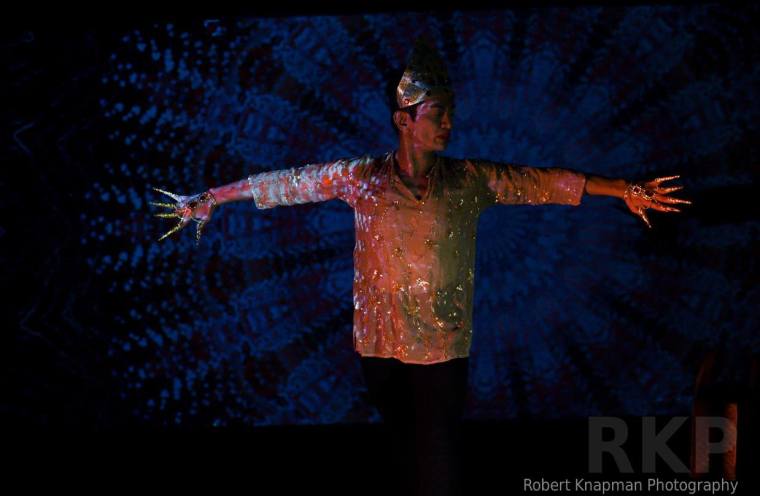
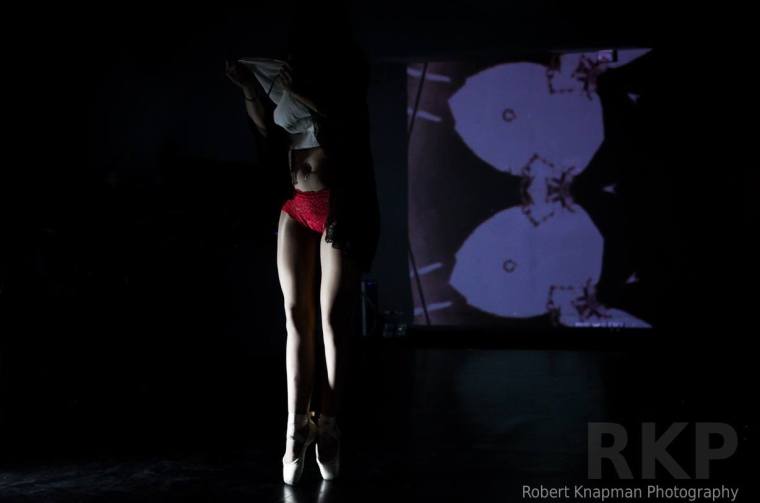
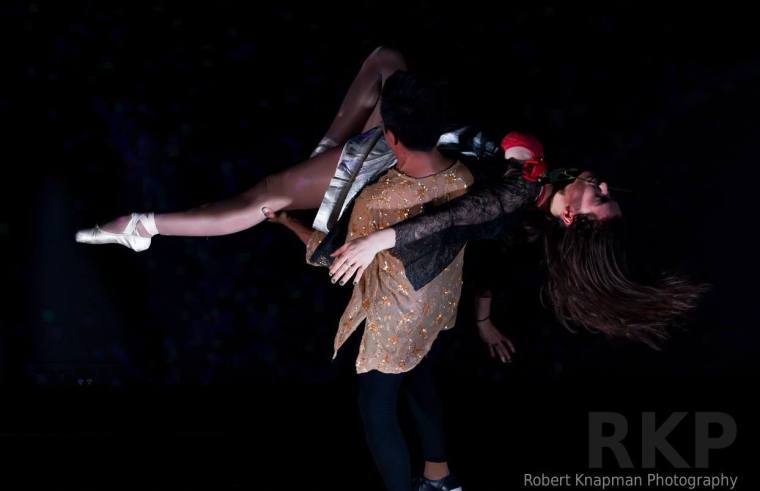
For more on the Feast Festival Season visit https://www.facebook.com/sousterreadelaide/
Theatre Performance Review
17 October 2013
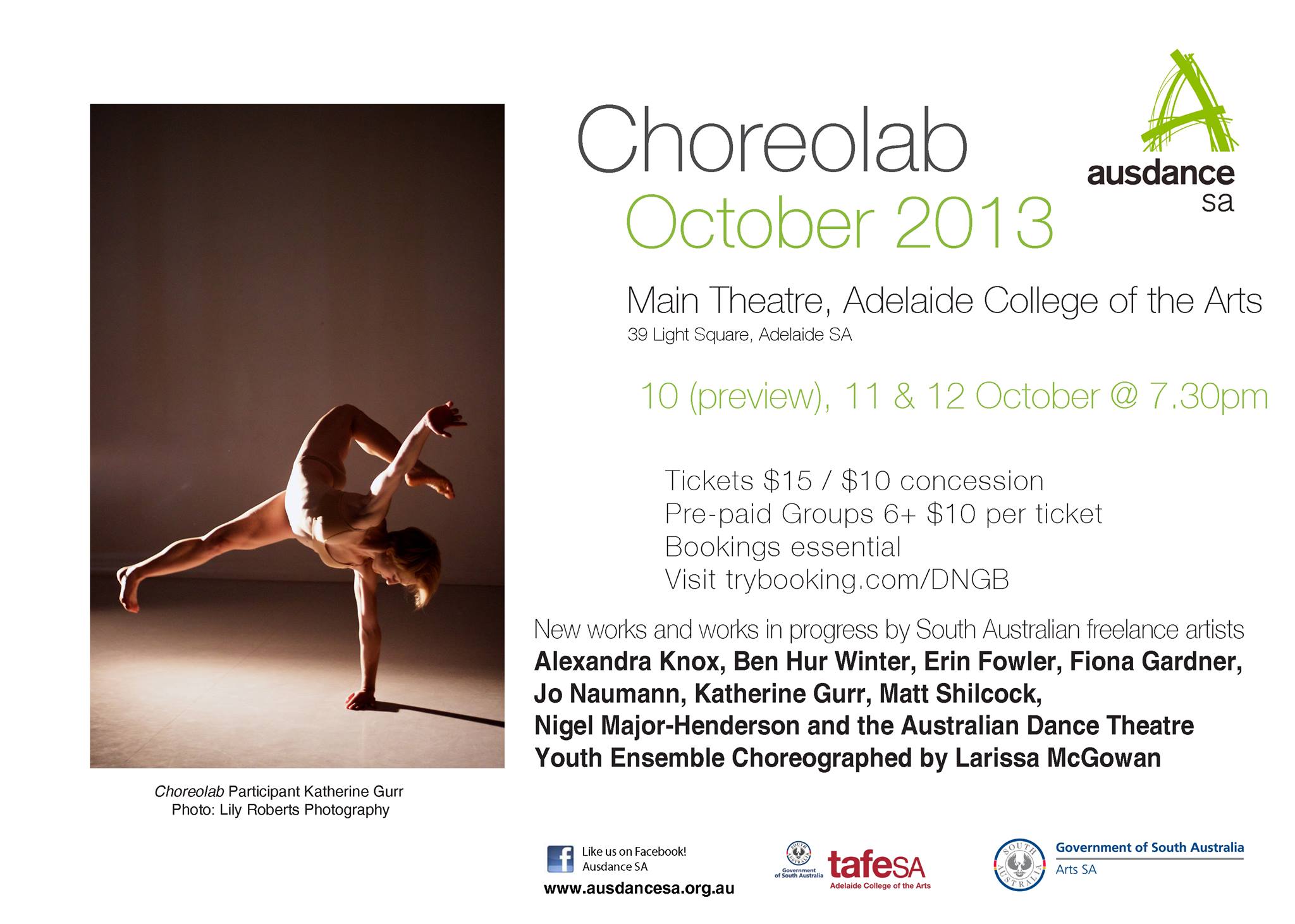
Rit-wal (ritual) 12th October 2013, Main Theatre, Adelaide College of the Arts. Choreographed by Ben-Hur Winter. Performers; Ben-Hur Winter, Karlee Naumann, Abby Durbridge, Mikka Ewens, Alex Charman, Ellicia Britton, Sam Ko, Joy Goodrigde, Susan Canonoy (vocals) and Bortier Okoe (percussion) Music; Tribal Beats, Robbie Rivera Presents Tribal Crew. Accompanied with live drumming percussion by African Soul Filmed for the purpose of this review- online Here
This dance was performed as part of the Choreolab October 2013 showcase presented by Ausdance SA and the Adelaide College of the Arts. Choreolab is an annual arts event that showcases the work of independent choreographers. It provides an opportunity to experience and connect with original ground breaking dance theatre.
‘Rit-wal’ is inspired by a traditional dance style Pangalay from the southern Philippines. This cultural dance form includes gestures of Linggisan or bird dance. In ‘Rit-wal’ Pangalay is fused with modern dance forms and tribal beats to produce a rich high energy cross-cultrual experience.
The show began with glowing gold and pink hues of stage lighting resembling the sunrise or sunset as dancers and an African drummer entered the stage. The music begins as performers danced into centre stage while left of stage a short segment of traditional Pangalay is performed. (out of camera view) The sound of the Tribal Beats music was enriched by Bortier Okoe adding layers of melodic beats, as performers interspersed graceful hand and feet movements of traditional Pangalay with contemporary dance jumps and lifts. As this all takes place two Filipino ladies (Joy Goodridge and Susan Canonoy) move across the stage making traditional hand gestures as Susan sings in her native tongue.
As a choreographer and dancer, Ben-Hur Winter was enmeshed in this cultural art form while driving these contemporary dancers in unison throughout a magnificent performance.
The lighting transformed from rich blues and purples to pinks as the group come to the end of the show. The audience erupted into loud applause, spontaneously clapping in time to rhythmic live percussion. Then the group free-danced about in a party like atmosphere until they left the stage. My feet were tapping and I felt like dancing too. This audience participation was an uplifting and joyous experience to be a part of leaving us on a real high. (this part is not filmed as we were participating)
‘Rit-wal’ was choreographed by the energetic and talented, aspiring neo-ethnic choreographer Ben-Hur Winter in collaboration with performers from the Filipino community and dancers from the Adelaide College of the Arts. This is Ben-Hur Winter’s second performance at a Choreolab event. He writes that the choreography in ‘Rit-wal’ is a work in progress;
“Exploring themes such as kinship, harmony, posterity and love of country while reflecting the genteel and peaceful nature of its people, the performance combines traditional actions and symbolic motifs with modern dance elements drawn from ideas about contemporary life.”
Pangalay (meaning ‘gift’ or ‘offering’) is Sanskrit for “temple of dance.” Demonstrating rich movement vocabulary a report for Asia/Pacific Cultural Centre for UNESCO states the tradition of the Pangalay style is an endangered living artefact whose antiquity is beyond doubt… a living link to the classical dance cultures in Asia identified with ancient Indian forms.”
Pangalay has long been identified as a seriously endangered cultural tradition. Ben-Hur Winter has studied in the Philippines with Professor Ligaya Fernando-Amilbangsa who has a life long commitment to preserve and popularise Pangalay. This has resulted in the unique cultural fusion of this ancient traditional form with modern contemporary dance elements being performed as ‘Rit-wal’ at Choreolab in Adelaide, South Australia.
In taking ‘Rit-wal’ to an International audience, Ben-Hur Winter is seeking to help preserve a cultural art form and tells us;
“Pangalay emerged and evolved over time amidst socio-cultural and economic challenges. I hope that being able to perform it here, even in a hybrid form, might contribute to this progress and it’s preservation.”
Dance theatre such as this is an enjoyable form of entertainment, while contributing to our shared knowledge of culture. I hope to see more projects like these with talented performers that demonstrate the depth and vision this choreographer has shown in Rit-wal.
Five Stars
Ben-Hur Winter is also the Projects Coordinator with the Anahata Community and Artistic Director of the Anahata Community Dance Collective; an artist run association engaging in (local/international) arts and cultural production through peer support and collaboration, cultural exchange and community cultural development.
Video link: https://docs.google.com/file/d/0BxCtRXHmyothX1RlbVZMUzQwWDA/edit

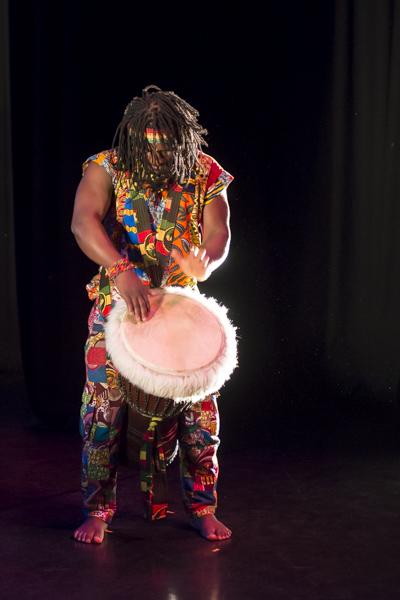
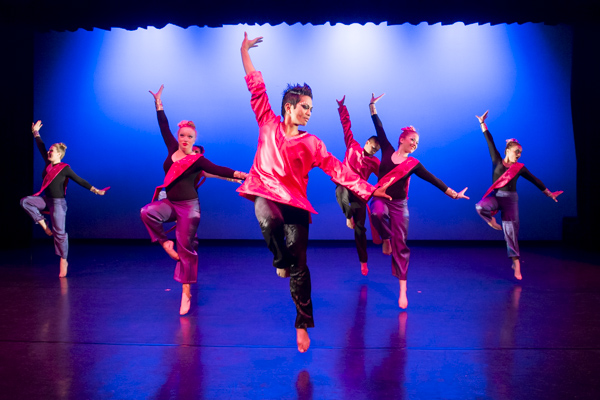
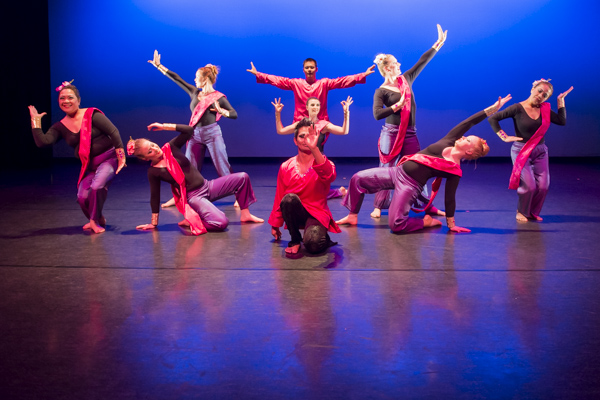
Photos: Sam Oster
“Learning is a movement from moment to moment” ~J. Krishnamurti
Dance Industry Code of Ethics
This code has been devised by leading representatives of Australia’s studio teachers to inform teachers and the public of the ethical standards expected by the profession of its practitioners.
- Creative Movement Workshops is a project of Anahata Community which aims to foster creativity and wellbeing within the communities that we work through diverse and popular dance forms, including contemporary/cultural and emergent/hybridized dance styles. Youth and adults lessons are designed for developing positive and holistic life skills through dance, with the aim of promoting arts education and community based artistic excellence.
- Anahata Community will deploy teaching staff with the experience, knowledge and/or qualifications required by the levels and techniques to be taught. Student teachers will be trained and supervised to ensure maintenance of expected teaching standards.
- Anahata Community will provide appropriate assessment and/or evaluation procedures and will ensure that participants including students and parents receive or have access to advice when necessary.
- Anahata Community will conform to sound business practice and provide an efficient fee system.
- Anahata Community and individual teachers will ensure that classes are of a size appropriate to the levels and techniques being taught. Students in each class will be of a compatible age and standard.
- Anahata Community and individual teachers will ensure that facilities provided:
- conform with minimum safety and space requirements;
- have suitable flooring, with a safe surface designed and constructed to minimise risk of injury.
- Individual teachers will use adequate and flexible teaching skills to create a productive learning environment. Individual teachers will:Individual teachers will recognise the role of dance in the development of the whole person. They will also seek to recognise and develop each studentˇs potential, whether it lies in dance or in related fields, and offer appropriate guidance for further progress.
- strive to communicate a love of dance
- demonstrate professional attitudes, including punctuality, reliability and responsible care of students
- strive to develop self-discipline and self-motivation in the students
- encourage and support the individual in the class situation
- transmit general concepts of movement in addition to those of a particular dance style.
- Individual teachers will endeavour to recognise physical anomalies, modifying the teaching and seeking medical advice when necessary. The teaching and choreography must be anatomically safe, and teachers must be prepared to deal with medical emergencies.
- Individual teachers will strive to develop in the students an appreciation of the characteristic style of each specific technique taught.
- Individual teachers will take responsibility for seeking further knowledge in all aspects of their work.
Pangalay
Philippine dance heritage from Sulu
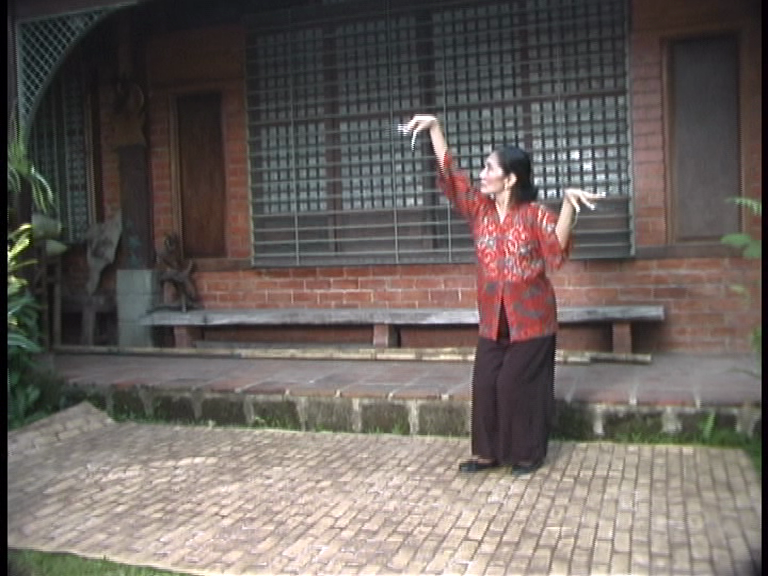


The dance may look quite simple at first glance but upon closer scrutiny, its intricacy becomes obvious. Even more apparent is the similarity of pangalay to other Southeast Asian modes of classical dancing: the Cambodian, Burmese, Thai, Javanese and Balinese. In Sanskrit or the holy language of much of India, pangalay means “temple of dance” or “temple dancing.”
Captivated by the beauty of the pangalay, I became passionate in recording and learning it from innumerable dancers in the Sulu Archipelago. In order to preserve the dance, I devised a practical way of remembering postures and gestures, aided by my own silhouette reflected on the wall by a lighted candle
Full article: http://newsinfo.inquirer.net/247943/pangalay-ancient-dance-heritage-of-sulu#.UCcMnoKQK_c.email
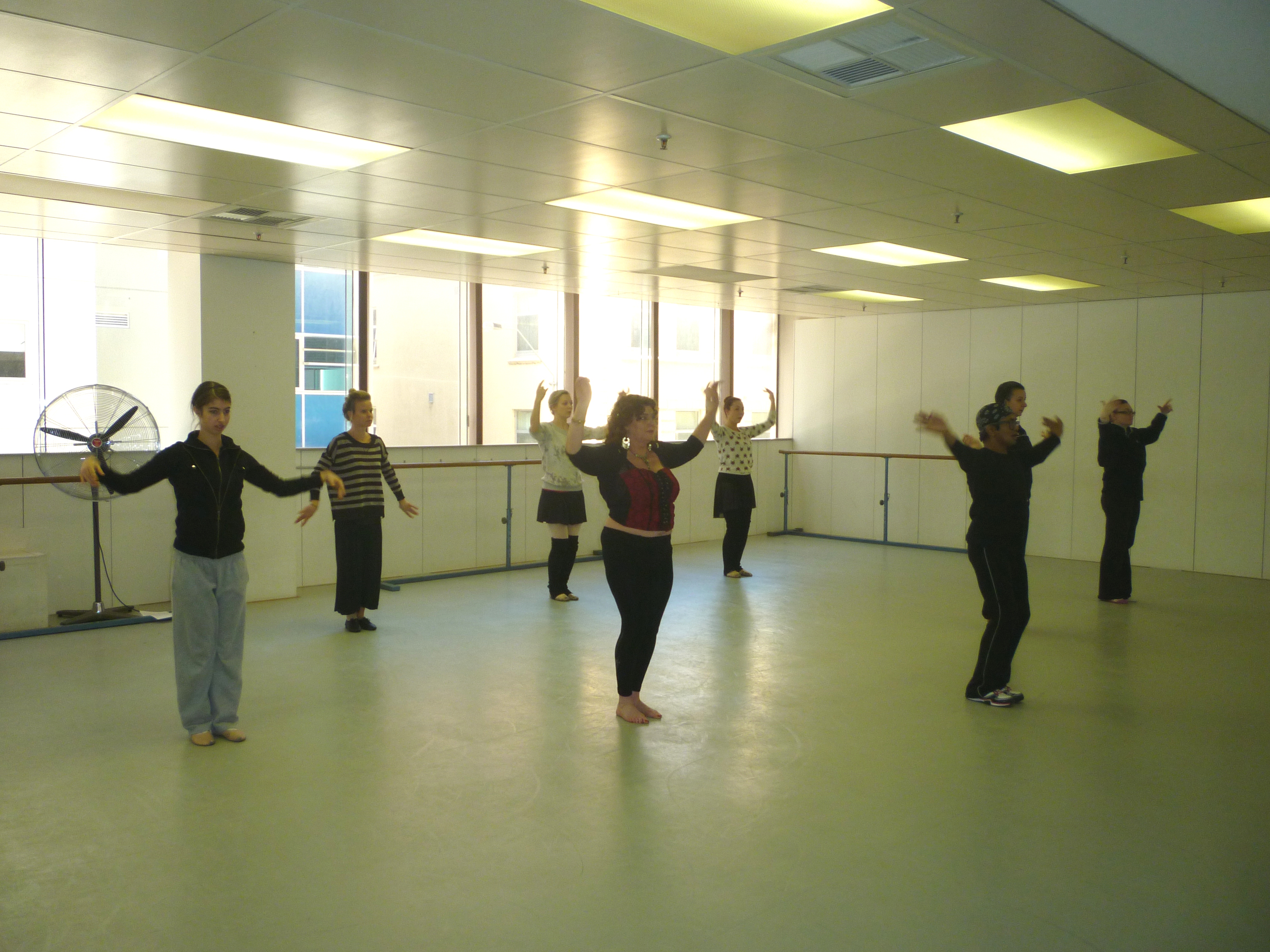
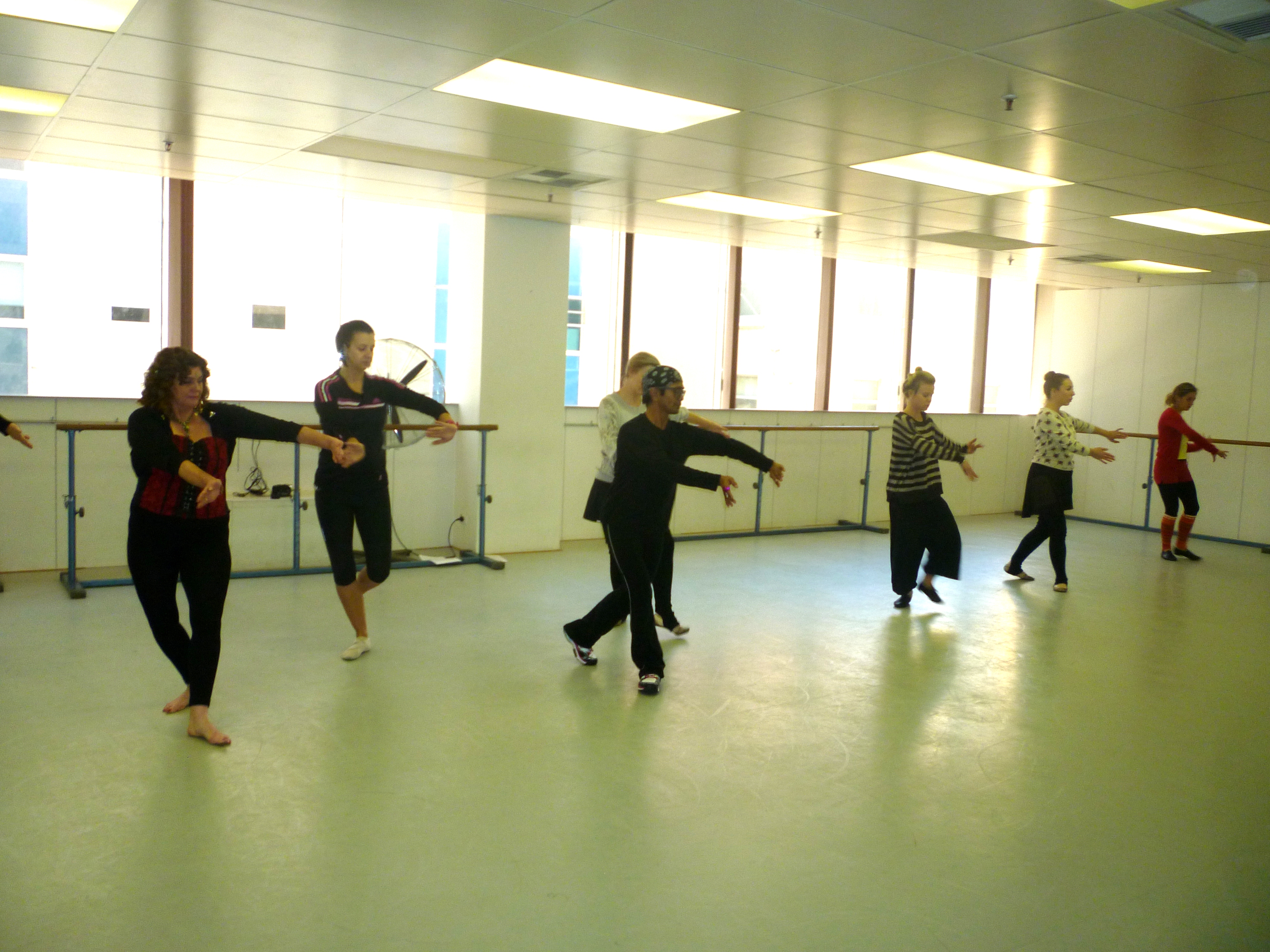
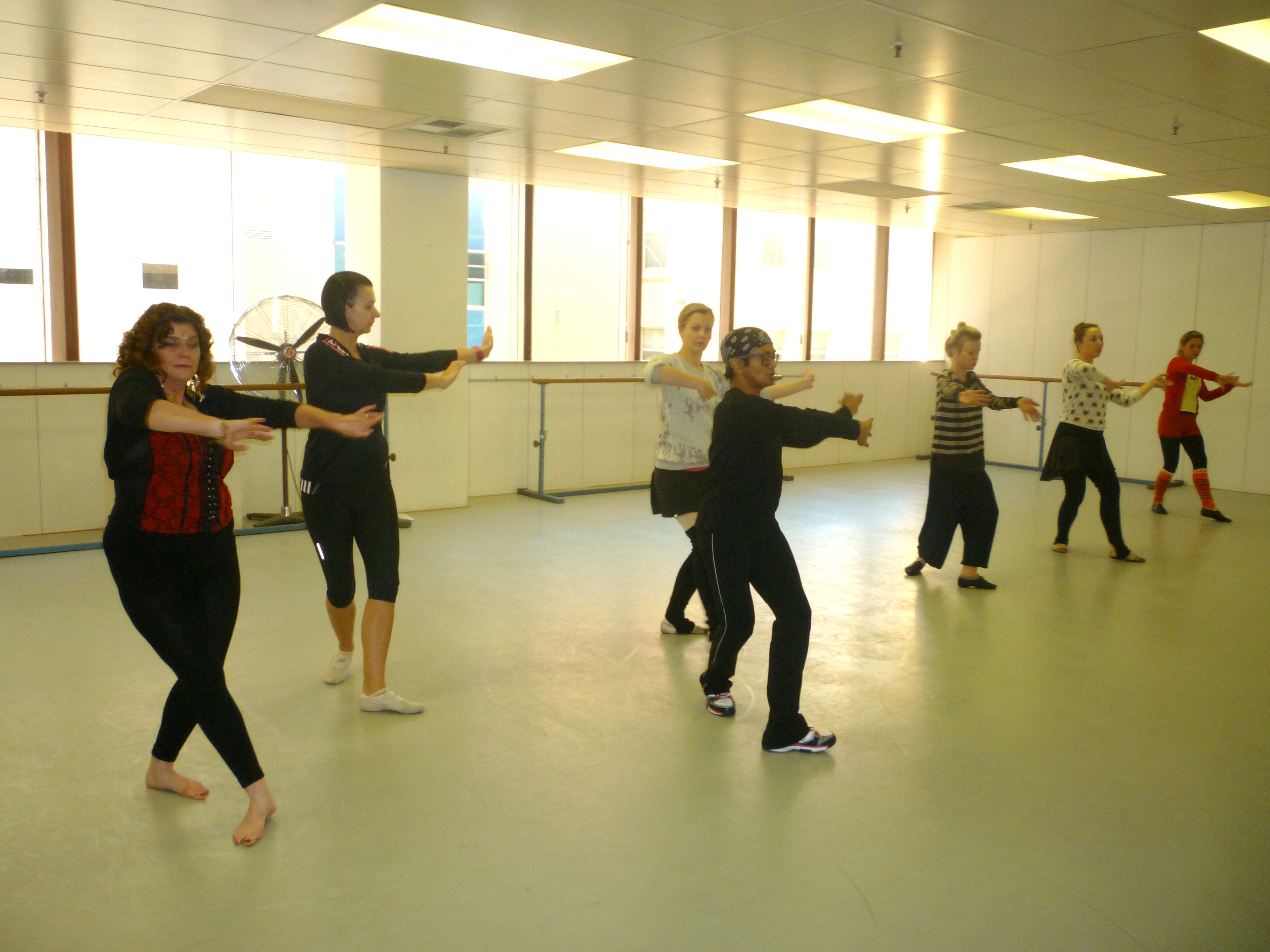
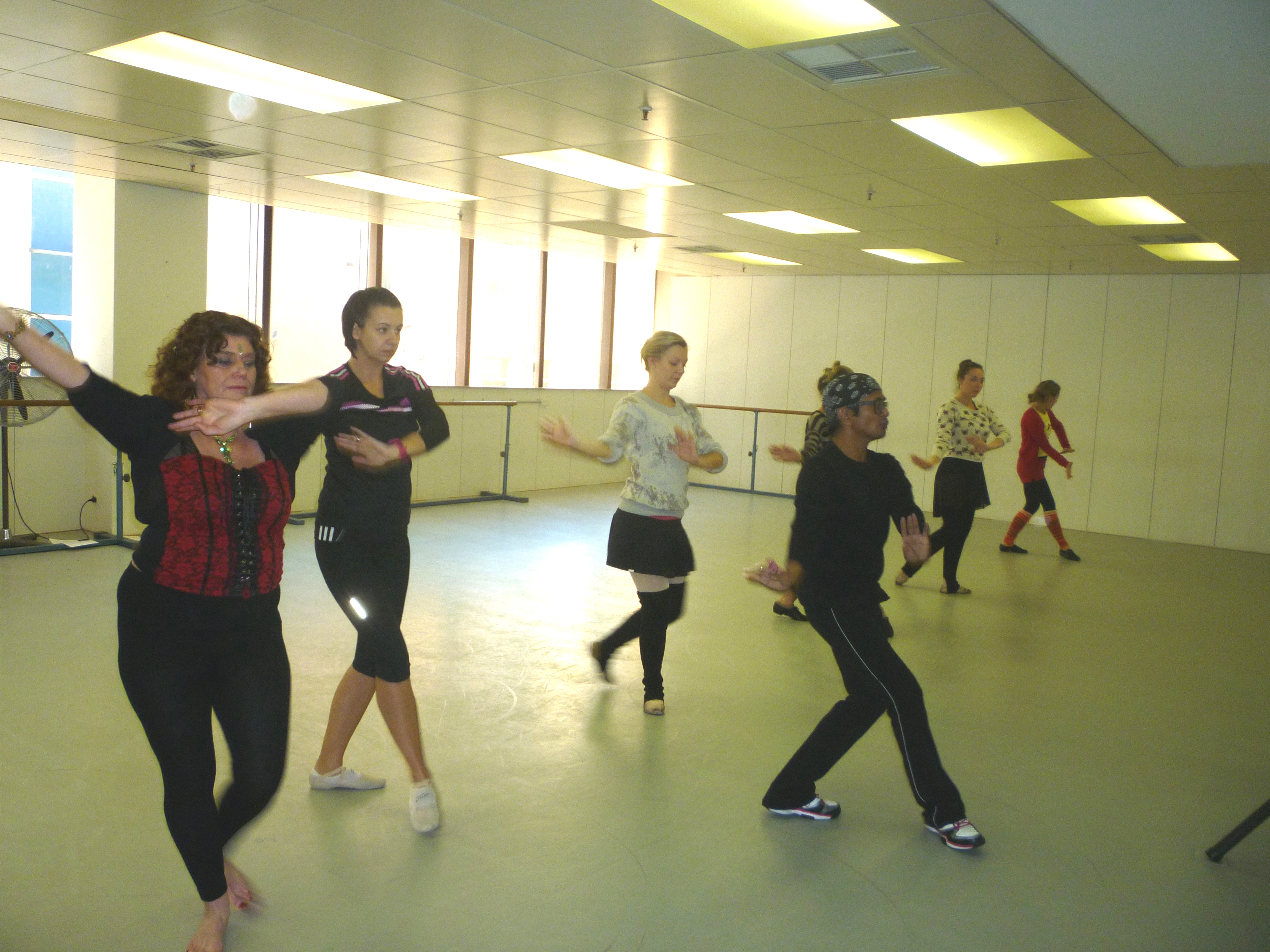
Photos from my cultural dance lesson at Ausdance SA. -the class focused on the Pangalay dance style
Anahata Community in cooperation with the Adelaide Fringe presents
Transmission
Works-in-progress through community dance
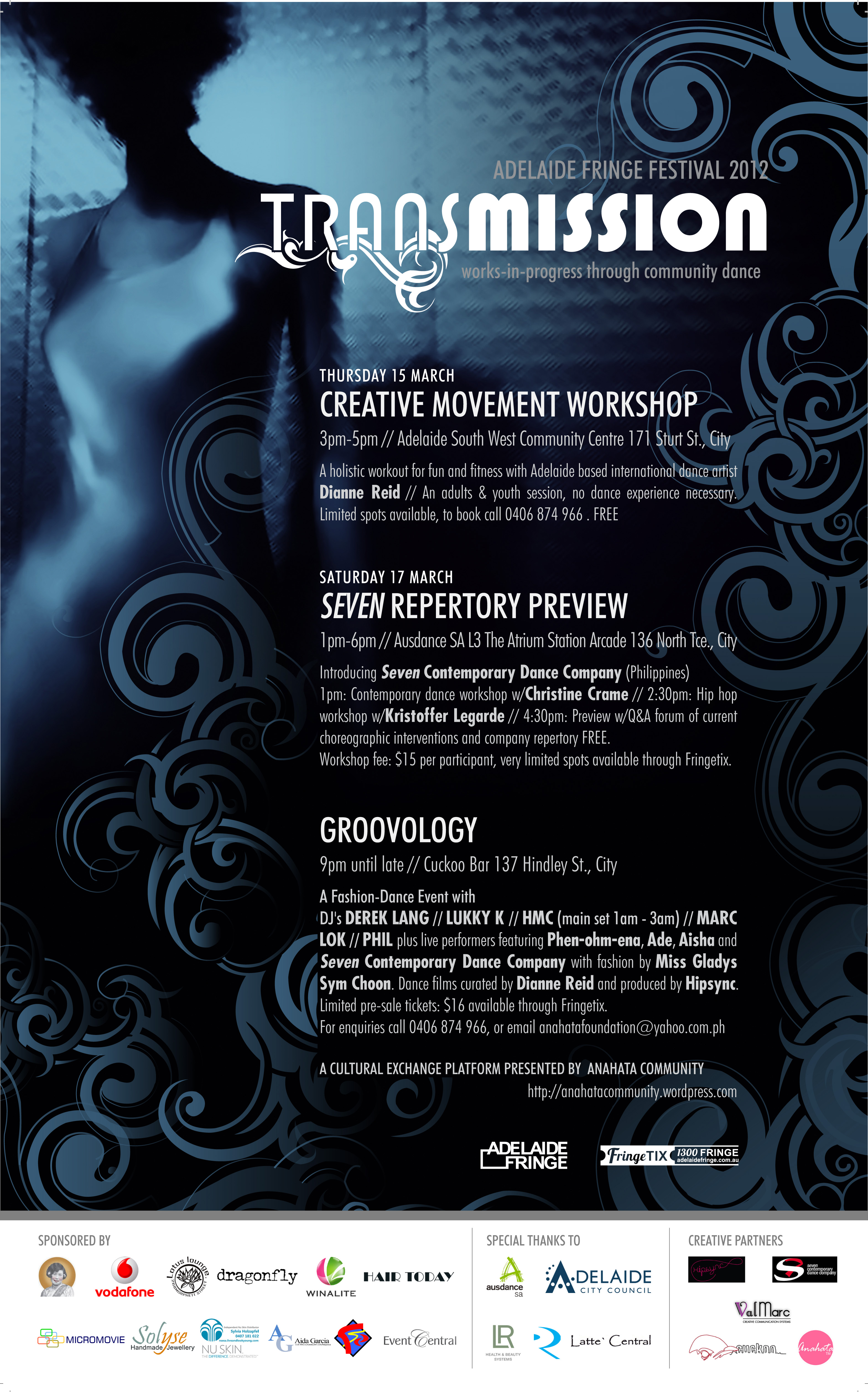
Attributed to South Australia’s culture and diversity, ‘Transmission’ comes to the 2012 Adelaide Fringe over two days in March with a dynamic international program of community dance offerings inspired by indigenous tribes, ethnic movement patterns and an evolving cultural diaspora.
Fringe goers are invited to experience a holistic dance workout in a Creative Movement Workshop session at the Adelaide South West Community Centre on THURSDAY 15 MARCH from 3-5pm with international dance artist and teacher Dianne Reid. The first half is a warm up drawing on yoga and contemporary dance sequences. The second half moves into dance improvisation drawing on anatomical or image-based scores, the incorporation of sound and text, and some physical contact and tactile scores. The class is designed for new and experienced dance practitioners and is recommended for schools, corporate groups and fitness enthusiasts of all ages and abilities. Limited spots available, call 0406 874 966 to book. FREE
Then on Saturday 17 March don’t miss the Seven Repertory Preview featuring Seven Contemporary Dance Company (Philippines) at Ausdance SA. Workshops in contemporary dance and hip hop will be conducted by company artists Christine Crame and Kristoffer Legarde, culminating in a free repertory showing and Q&A of current choreographic interventions including excerpts from the company’s seven deadly sins series.
Video links: http://www.facebook.com/#!/video/video.php?v=10150165923822830
For the third installment of ‘Transmission’ get ready to dance to some deep house and techno grooves at Groovology from 9pm until very late at Cuckoo Bar Hindley Street in the city.
Adelaide artist and international producer Dj HMC (main set) will get the party going alongside DJ’s Derek Lang, Lukky K, Marc Lok and Phil plus live performers phen-ohm-ena, Ade, Aisha and Seven Contemporary Dance Company in fashion by Miss Gladys Sym Choon, dance on screen through visual works produced by Hipsync and more.
‘Transmission’ is made possible thanks to the valued support of Miss Gladys Sym Choon, Logic Plus, Resultzcorp, Vodafone, Lotus Lounge, Dragonfly Art Projects, Hair Today, Winalite, Micromovie, Solyse, Nu Skin, Filipino Settlement Coordinating Council of South Australia (FSCCSA), Mrs. Evelyn Miller, Attorney Aida Garcia, Latte Central, LR Health & Beauty Systems, Hipsync, Ausdance SA, ValMarc and Cuckoo.
Anahata Community is a production team and collective of artists founded in Manila Philippines with well grounded connections to local and migrant communities in Australia. Utilizing accessible culture products and processes, current projects seek to address and cultivate holistic growth in the arts (bhavana) to inspire insight into community cultural traditions. Collaborations in dance, film and the visual arts (design) aim to foster unique ‘process-product’ relationships.
Dianne is a well-respected and sought after teacher who has been based in Melbourne for the past 20 years. She creates work and teaches across multiple disciplines (dance, media/video, theatre) regularly lecturing at major tertiary dance programs and institutions including Victorian College of the Arts and Deakin University and respected private training schools including The Ministry of Dance. Dianne trained in Adelaide in Communication Studies (Drama), then a BA Dance under David and Simi Roche (South Australian College of advanced Education). She was a founding member of Outlet Dance in Adelaide (1987–89), a member of Danceworks from 1990–95 under the direction of Helen Herbertson and Beth Shelton, and Associate Lecturer in contemporary dance and dance video at Deakin University 1996-2010. She currently teaches company class for Australian Dance Theatre and facilitates improvisation sessions at Ausdance.
Seven Contemporary Dance Company is a professional dance theatre company from the Philippines comprised of independent artists exploring their passion for choreography and high art under the artistic direction of former Ballet Philippines principal dancer Christine Crame.
 Anahata Community